Invasive non-native predators can quickly decimate breeding colonies by eating eggs, chicks, and adult birds. We have seen this happen on islands all over the world, including Ramsey island on the Pembrokeshire coast. While a rat eradication was successful on Ramsey and many species, in particular the Manx Shearwater are...
Biosecurity for LIFE guest blog by Greg Morgan (RSPB Cymru) with a foreword by Laura Bambini (Project Executive, Biosecurity for LIFE)
Biosecurity for LIFE recently held a biosecurity event on St Agnes to thank the community for their continued hard work in ensuring St Agnes and Gugh remain rodent-free following the Isles of Scilly Seabird Recovery Project. Brown rats were removed from the islands back in 2013 in the world’s first rat removal project of this size that was community led. In 2014, for the first time in living memory the burrow nesting Manx shearwater started successfully breeding on the islands again followed in 2015 by the return of breeding European storm petrel with numbers of both increasing ever since. It was fantastic to see the positive results of recent surveys carried out by the Isles of Scilly Wildlife Trust who delivered a talk on the day.
What could be more exciting than working in island biosecurity in the UK? Well, what certainly comes close is sharing our experiences and learning with our European colleagues and finding out about their work to implement biosecurity on ever more islands!
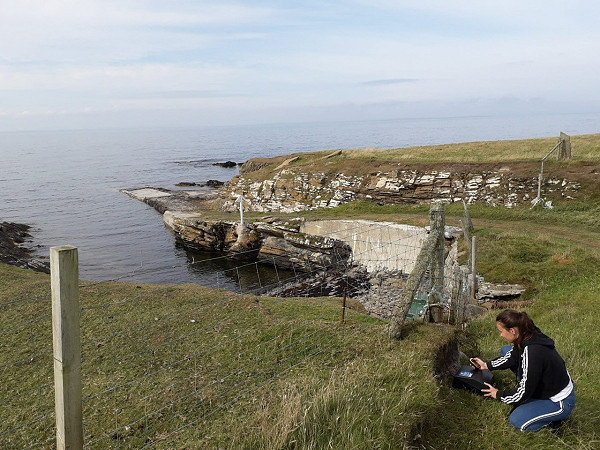
On an unseasonably warm day for September I and the Biosecurity Officer for the Orkney Native Wildlife Project (ONWP), made our way over to Auskerry from Kirkwall. After a smooth sailing (apart from a very choppy patch in the middle!) we made it to the small island in just over an hour.
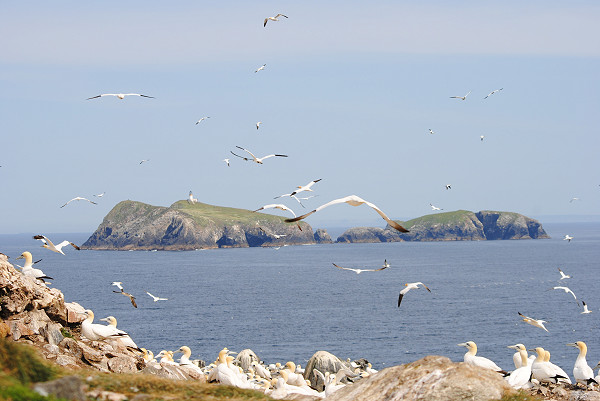
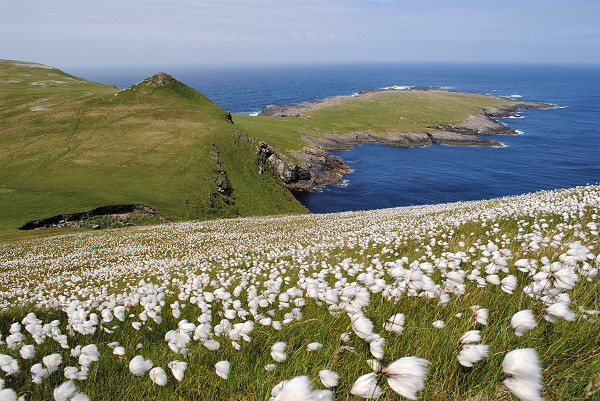
On Sunday 18th July, I returned from five nights on North Rona with the MarPAMM Seabirds Count team. The team was ready for a restful day – but you can’t waste a weather window when it comes to petrel surveying, so instead we prepared for an early start, and by 6am Monday morning we were on our way back to the Flannan Isles!
In mid-July, almost a month after Tom had set up biosecurity surveillance for the first time on North Rona, I returned to the Western Isles to re-join the MarPAMM Seabirds Count team as they prepared to complete Leach’s petrel and European storm-petrel surveys on North Rona and the Flannan Isles.