Invasive non-native predators can quickly decimate breeding colonies by eating eggs, chicks, and adult birds. We have seen this happen on islands all over the world, including Ramsey island on the Pembrokeshire coast. While a rat eradication was successful on Ramsey and many species, in particular the Manx Shearwater are...
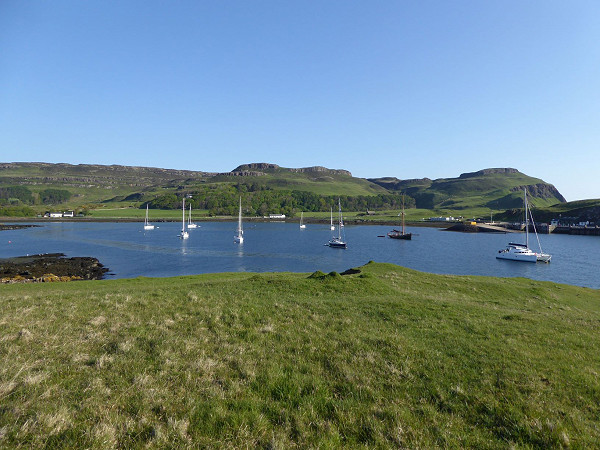
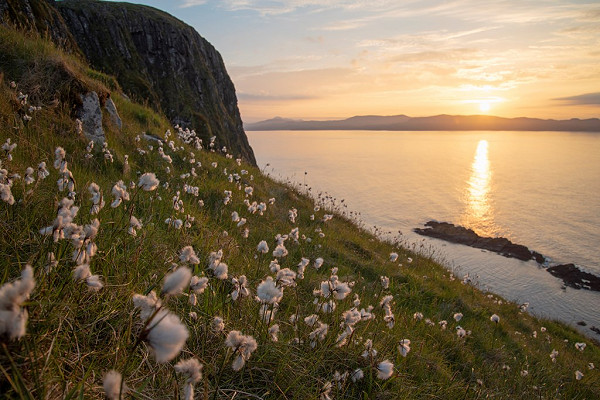
The SPA islands of Canna and Sanday are found 30 miles west of Mallaig, at the westernmost point of the Small Isles in the Inner Hebrides. The islands cover 6,566 hectares, reaching up to 210 metres in height, with imposing basalt lava flows, and sea stacks Dùn Mòr and Dùn Beag, which host many of the islands’ 1,200 Atlantic puffins during the summer months.
The Shiant Isles are in the north-west of Scotland in the Minch between the Isle of Skye and the islands of Lewis and Harris. They lie approximately 6 km from the south-east coast of Lewis, the closest inhabited island. The group consists of three main islands (Garbh Eilean, Eilean an Taighe and Eilean Mhuire) covering a total of 173 hectares with a chain of smaller sea stacks known as the Galtachan stretching out to the west. The islands are dominated by spectacular basalt sea cliffs and an extensive boulder field on the east side of Garbh Eilean.
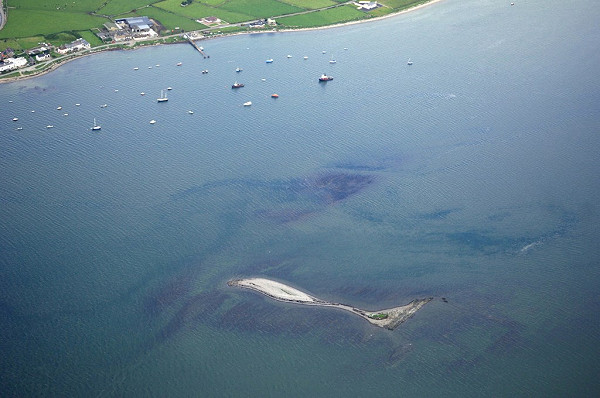
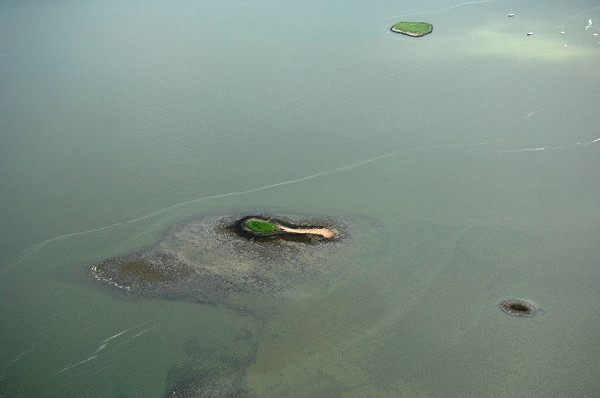
Like the islands in Larne Lough another noisy tern-filled, low-lying island we’re working on is Green Island in Carlingford Lough. Carlingford Lough straddles the border between Northern Ireland and the Republic of Ireland on the east coast. As a scenic glacial fjord bordered by the Mourne mountains in the north and the Cooley mountains in the south and just over an hour away from both Belfast and Dublin it is a popular tourist destination.
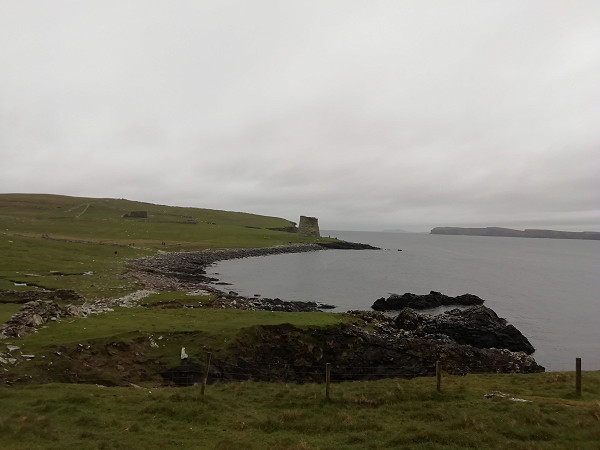
Mousa is a low-lying island, just 1.5km long, which sits on the 60° North line one mile to the East of the Shetland Mainland. Mousa is well known for its 2000-year-old well-preserved broch and the European storm petrel colony that return each year to breed in the Broch’s tall stone walls. Now uninhabited (the last family left the island in 1853) Mousa has a long history of human history stretching back as far as the stone age. Managed as a reserve by the RSPB and grazed by Shetland sheep, the island is a haven for wildlife while continuing in its role as part of Shetland’s crofting/farming heritage.
Happy New Year and welcome to our new island blog series where we will introduce each and every one of the 42 island Special Protection Areas (SPAs) we’re working on and tell you what makes them quite so special.
Whilst the UK was enjoying some typically damp December weather and gearing up for a general election Tom (Project Manager) and Laura (RSPB Seabird Restoration Manager) had been invited to present at a conference on the isle of Elba at the Resto Con Life project conference.