Invasive non-native predators can quickly decimate breeding colonies by eating eggs, chicks, and adult birds. We have seen this happen on islands all over the world, including Ramsey island on the Pembrokeshire coast. While a rat eradication was successful on Ramsey and many species, in particular the Manx Shearwater are...
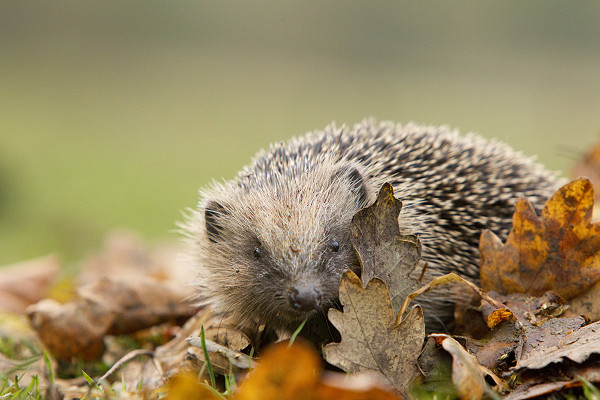
In light of the hedgehog’s mainland declines, it may seem a little surprising that they are considered an invasive species on the UK’s offshore islands. In fact, hedgehogs have been found to survive at higher densities on some islands than in their native mainland range. This is partly because their natural predators like the European badger are absent, and climate change is leading to more favourable conditions for hedgehogs on islands. This in turn leads to very high levels of hedgehog predation on the eggs of ground-nesting birds: on one island hedgehogs were found to drive a 39% decline in breeding shorebirds over ten years – and were responsible for up to 50% of all breeding failures
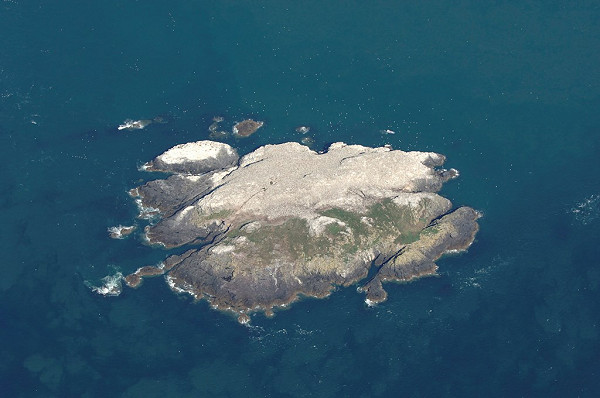
Grassholm is one of those islands that assaults your senses upon approach with both the smell, noise and sight of over 36,000 pairs of gannets. On a round island boat trip you’ll see them on their nests or flying overhead like aeroplanes before folding their wings back and diving at speed to catch their prey in the surrounding waters. 6.8% of the world population of Northern gannets breed on this lump of rock just 10 hectares in size. In fact, the majority of the island is now white in colour due to the animals and their guano, with only a relatively small strip of grass remaining where they are yet to colonise. Grassholm is the third largest gannetry in the UK after the Bass Rock and St Kilda – two other sites we’re also working on.
Lying only a mile off the Northumberland Coast, the Farne Islands archipelago hosts one of England’s most impressive seabird colonies, managed by the National Trust. Depending of the state of the tide, the Farnes boast between 15 and 28 islands, the largest being just 16 acres in size. Onto these small isles, an assemblage of over 160,000 seabirds crowd together each summer to breed.
Brown rats can have a body length up to about 28cm with a tail between 10-24cm. They grow to weigh 200-300g and tend to live about 2-years in the wild. As with all rat species brown rats are very good breeders, females can breed from 3 months old and average 5 litters per year. Pup numbers average about 6 pups per litter although litters of up to 12 are not uncommon. Brown rats live in loose colonies made up of smaller ‘clan’ groups digging their own burrows. Larger more powerful males occupy and defend better territories and food sources
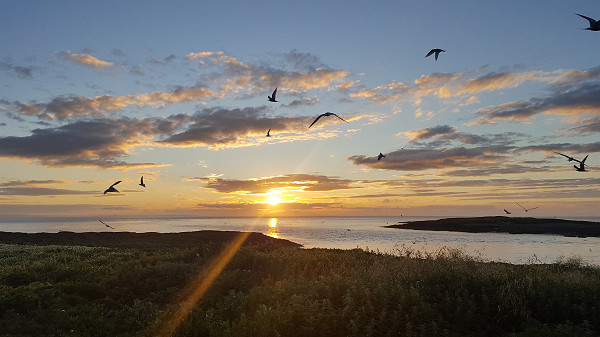
All three islands were designated as a SPA for holding 1.7% of the world’s population of breeding Manx Shearwater and 22.6% of the Irish population of breeding Arctic tern. These burrow nesting and ground nesting seabirds are particularly susceptible to predation by invasive mammalian predators compared with cliff nesting seabirds that often remain inaccessible to invasive species.
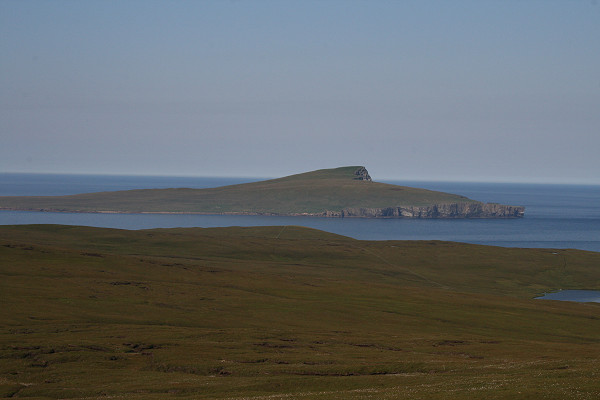
Rising from sandy beaches to 181m high cliffs Noss’ distinctive shape led Viking settlers to give the island its name, which comes from the old Norse word for ‘nose’.